
Understanding gambling addiction recovery pathways to a healthier life
Recognizing Gambling Addiction
Gambling addiction, also known as compulsive gambling, is a behavioral disorder characterized by an uncontrollable urge to gamble despite the potential negative consequences. Recognizing this addiction is the first step toward recovery. Individuals may experience symptoms such as increasing preoccupation with gambling, a need to gamble with increasing amounts of money, and feelings of restlessness when attempting to cut back on gambling. Understanding these signs is crucial for both the affected individual and their loved ones. Many players enjoy engaging in games like the tower rush game casino, but it’s important to be aware of boundaries.
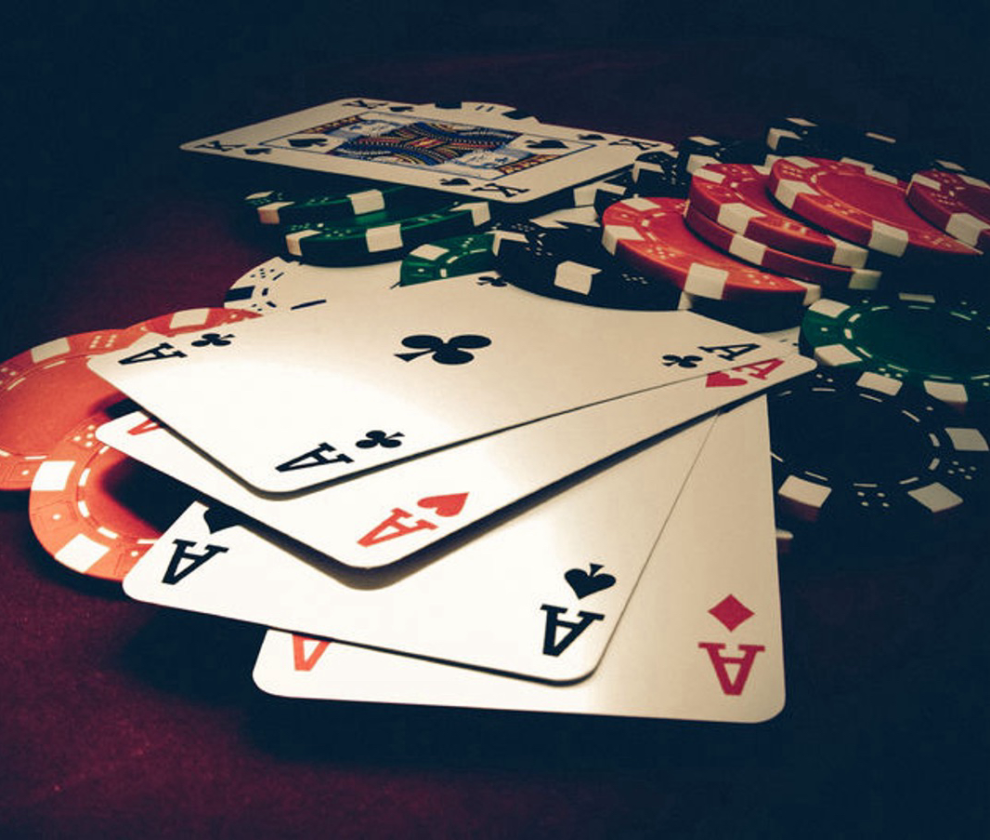
The impact of gambling addiction extends beyond the individual, affecting family dynamics, financial stability, and social relationships. Many individuals may find it challenging to admit they have a problem due to feelings of shame or denial. Awareness and education about gambling addiction are vital for fostering open conversations and seeking help, making it an essential part of the recovery journey.
Impact of Gambling Addiction on Life
The repercussions of gambling addiction can be devastating and multifaceted. Financially, individuals may face significant losses, which can lead to debt, bankruptcy, or even illegal activities to support their gambling habits. Emotionally, the addiction can result in anxiety, depression, and strained relationships with friends and family. The toll on mental health is profound, often leading to a cycle of guilt and further gambling in an attempt to escape these feelings, often resulting in a troubled life marked by stress.
Moreover, gambling addiction can also affect physical health. The stress associated with financial problems and emotional turmoil can lead to sleep disturbances, poor nutrition, and neglect of physical well-being. Understanding these impacts is crucial in framing the recovery process, where healing must encompass both mental and physical health for a holistic approach.
Pathways to Recovery
Recovery from gambling addiction is a deeply personal journey that often requires a combination of strategies tailored to individual needs. Professional counseling and therapy can be instrumental, providing a safe space to explore underlying issues contributing to the addiction. Cognitive-behavioral therapy, in particular, has proven effective in helping individuals change their thought patterns and develop coping strategies.
Support groups also play a crucial role in recovery, offering shared experiences and a sense of community. Organizations like Gamblers Anonymous provide a platform where individuals can connect with others who understand their struggles. Engaging in these support networks can enhance accountability and motivation, fostering a supportive environment for those on their journey toward healthier habits.
Developing Healthy Coping Mechanisms
As individuals work through their recovery, developing healthy coping mechanisms becomes essential. This involves finding alternative activities and hobbies that bring joy and fulfillment without the risks associated with gambling. Engaging in sports, arts, or volunteer work can provide new avenues for connection and purpose.
Mindfulness and stress management techniques, such as meditation, yoga, or deep-breathing exercises, can also help individuals manage triggers and cravings. Building a supportive social network of family and friends who understand the recovery process is vital. These healthy coping strategies contribute significantly to long-term recovery and overall well-being.

Empowering Yourself Through Knowledge
Understanding the various pathways to recovery is empowering for those affected by gambling addiction. By educating oneself about the complexities of addiction, individuals can take proactive steps toward healing. Resources, support groups, and professional help are available, serving as vital tools in the recovery process.
The journey to a healthier life is not linear, and setbacks may occur. However, with the right support and strategies in place, individuals can regain control over their lives and make informed choices. Embracing knowledge and community support is key to not only overcoming gambling addiction but also to achieving sustained well-being.